Aasara.Rural Development Society

Impact

Change you can count, in villages you can visit.

These numbers come from specific projects with named partners. Behind each one is a family that no longer has to choose between home and a living.

500

tribal women farmers trained in chemical-free farming

with RPG Foundation

150

Scheduled Caste villagers given tools to earn at home

with ICAR – NBPGR

150

small farmers trained on agricultural drones

with ICAR

120

people screened for cancer in a village health centre

with MNJ Hospital & Rotary

60

rural youth trained in computers and spoken English

with BAIF

25

of 30 rural women trainees placed in private-sector jobs

with NABARD & Narayana Foundation

Story · Organic farming

Nagamma’s land feeds her family again.
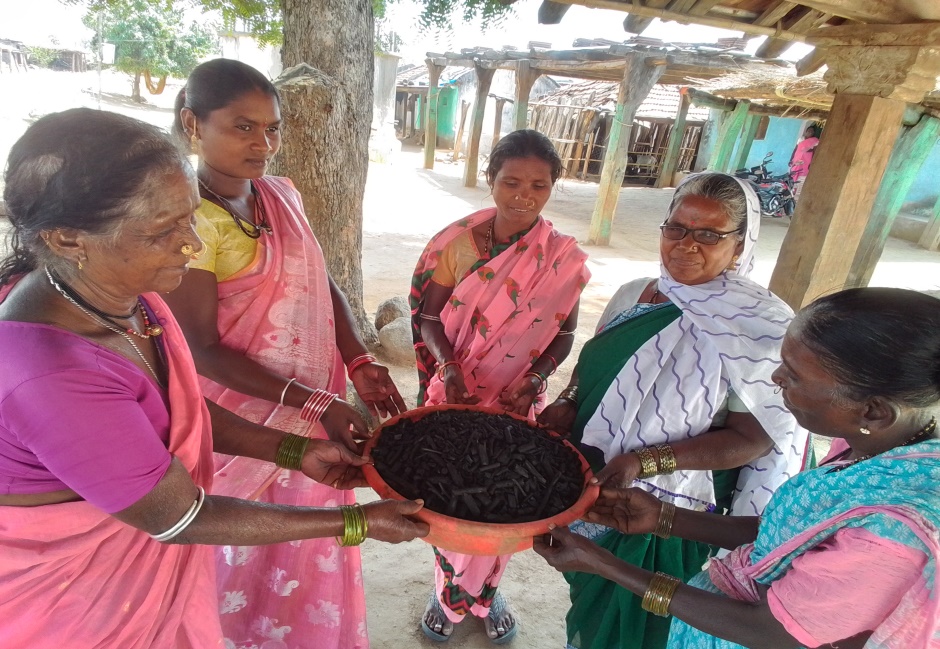
Women farmers holding compost they made
Women farmers in an Aasara organic farming collective.

The struggle

Nagamma’s family lived off a small plot farmed the traditional way. The soil was poor, monkeys and wild animals raided the crop, and there was never enough money. Her children’s schooling was at risk, and she felt she had no way to add to the family’s income.

The support

She joined Aasara’s agricultural entrepreneurship program for rural women, where she received:

  • training in organic farming, including neem extract as a natural pest repellent;
  • good-quality seed and essential farm tools;
  • help installing a solar-powered fence against monkeys and wild animals;
  • a place in a women’s farming collective that shares one fence across neighbouring fields.

The change

₹40,000

from vegetables in a single year. She cleared every debt, kept her children in school and improved what the family eats. Today she trains other women in her village to farm the same way.
Story · Sewing machines & farm tools

Chelapur and Salvid stopped emptying out.

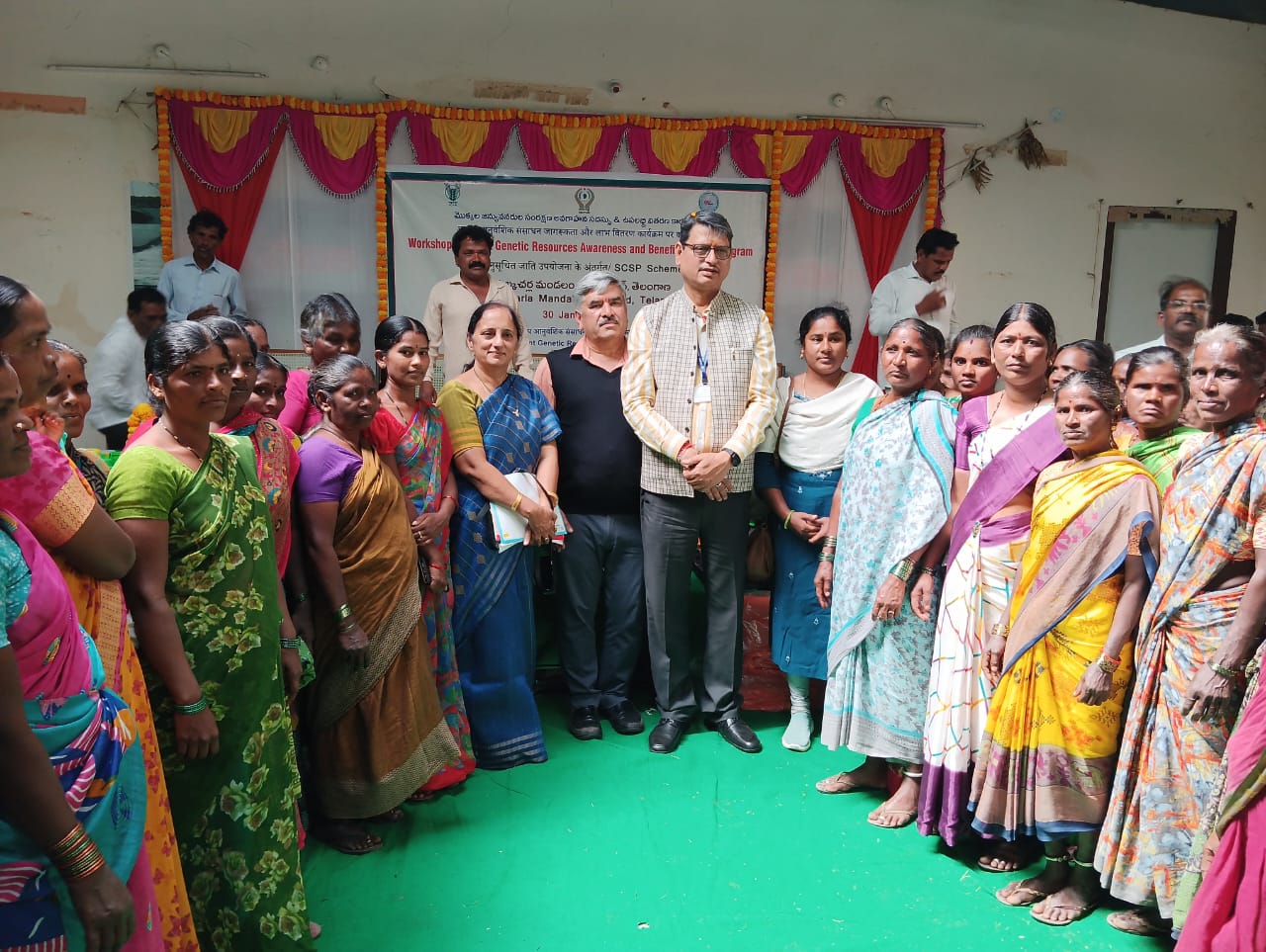
Women beneficiaries at the SCSP distribution in Kulkacharla
Beneficiaries from Chelapur and Salvid at the distribution, Kulkacharla mandal.

The struggle

In these two Scheduled Caste villages of Kulkacharla mandal, there was no steady work. Parents migrated to Hyderabad and Mumbai, children were sent to hostels, and only the elderly stayed behind.

The support

With ICAR – National Bureau of Plant Genetic Resources, under the SCSP scheme, Aasara gave sewing machines to 50 women and sprayer pumps, tarpaulins and vegetable trays to 100 farmers.

The change

Thirty of the women now earn from tailoring and train others. The men, with their own equipment, find farm work all year in and around the village. Families live together at home again.

Story · Biochar

From burning cotton stalks to feeding the soil.

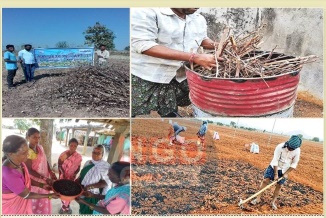
Farmers converting cotton stalks into biochar
Cotton stalks being turned into biochar, Adilabad.

The struggle

In Adilabad’s cotton belt, farmers relied on chemical fertiliser and lost money most years. After harvest, dried cotton stalks were simply burnt.

The change

Trained by Aasara with RPG Foundation, 500 tribal farmers now make their own organic fertiliser and convert cotton stalks into biochar. Input costs are down, surplus fertiliser is sold for extra income, families eat healthier food — and the soil is in better shape every season.

Our 2030 goal

Organic farming on 10% of agricultural land in the regions we work in.

Chemical residues are harming soil, water and health. Our Chemical-free Farming campaign scales what worked in Utnoor to more villages.

Help write the next story.